Breaking the Silence
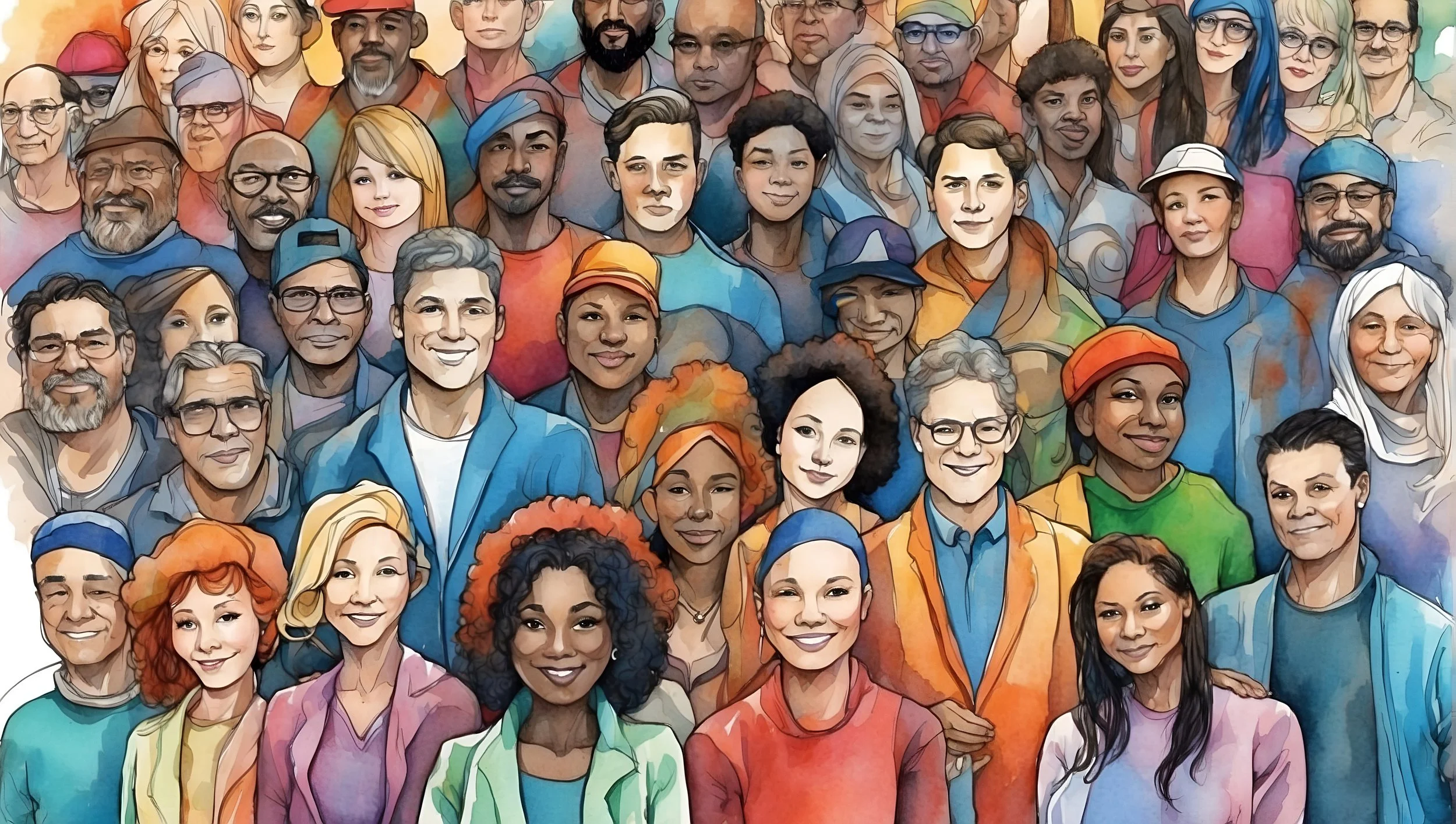
Image by Gerd Altmann from Pixabay
Intercommunity Racism and Violence in the African Community in Victoria
The African community in Victoria is one of the most diverse and vibrant in Australia. It is a tapestry of cultures, traditions, and histories that enrich the state socially, economically, and culturally. Yet, like many communities shaped by migration, displacement, and the scars of conflict, it faces complex challenges that are often invisible to outsiders.
One of the most pressing — yet least discussed — issues is intercommunity racism and violence within African communities themselves. This is not a problem that defines Africans, nor should it be used to stigmatise the wider community. Rather, it is a reality that affects individuals, families, and neighbourhoods in profound ways, and deserves honest reflection.
At the Malak Foundation, we believe that silence helps no one. To build stronger communities, we must talk openly about the difficult issues — not to assign blame, but to seek understanding and create pathways for healing.
The Roots of the Problem
Intercommunity racism and violence do not appear out of nowhere. They often stem from layers of trauma, inherited beliefs, and unaddressed pain.
Trauma and Displacement
Many Africans in Victoria arrived as refugees or migrants from war-torn countries. They carry memories of conflict, persecution, and loss. Trauma is not something that stays in the past — it can resurface in new environments, manifesting in anger, mistrust, or aggression. When trauma goes untreated, it can erupt as violence against those closest to us: neighbours, community members, even family. This trauma can also pass down to the next generation through parenting behaviours that project blame onto the child, society, or even themselves as parents. The result is often a fractured home, where parents feel they have lost control and children lose respect — all rooted in unresolved pain and unaddressed family trauma.Cultural Hierarchies and Superiority
Some individuals carry entrenched ideas about tribe, clan, or ethnicity — beliefs that place one group above another. In multicultural Victoria, these divisions can become more pronounced when small communities choose to live closely together, often competing for resources, recognition, and belonging. This clustering is sometimes driven by fear of the wider society and a perception that the Victorian community is against them — a view shaped by experiences of racism. While racism does exist, its scale in Victoria is more limited compared to the weight of internal community divisions.Loss of Empathy and Moral Disconnect
Migration is not only a physical relocation from one place to another; it is also a deeply emotional journey. Leaving behind familiar languages, customs, and social networks often brings feelings of loss, uncertainty, and vulnerability. For some, the pressure of adapting to a new society — learning new systems, facing discrimination, or struggling with identity — can gradually wear down their ability to empathise with others. In this space of stress and disconnection, compassion is sometimes replaced with judgment or exclusion. Instead of building solidarity with fellow migrants or community members who are experiencing similar struggles, some individuals adopt a mindset of moral or cultural superiority. This belief can lead them to dismiss the pain of others, reinforcing divisions rather than nurturing the shared resilience that migration communities so urgently need.Adding to this burden, some members of the wider community compound the problem by telling refugees and migrants to ‘go back to where they came from.’ For older generations who fled war, persecution, or hardship, such words reopen deep wounds and retraumatise people who came to Australia seeking safety and dignity. For their children, who were born here and know no other home, these comments create a painful sense of alienation — a feeling of being outsiders in the only country they have ever known.
Generational Identity Struggles
Young Africans in Victoria often find themselves caught between two worlds. In schools and public life, many encounter racism, discrimination, or even the unspoken fear projected onto them when simply walking down the street. Within their homes or communities, they may face judgment, strict expectations, or rejection tied to cultural norms. This dual pressure leaves some with the painful sense of belonging nowhere — not fully embraced by Australian society, yet not fully accepted within their own communities either. Such vulnerability can create an opening for criminal networks to exploit. These groups prey on feelings of exclusion, offering young people a false sense of purpose, quick money, and the allure of notoriety. The promise of being seen as ‘untouchable’ or above consequences can be tempting, drawing vulnerable youth into destructive paths that further harm both themselves and their communities.
How the Problem Manifests
The effects of these root causes are visible in multiple ways:
Silenced Voices: Many people suffer quietly, afraid to speak out. They feel like outsiders in both Australia and their own communities. Their silence is a survival mechanism, but it deepens isolation.
Escapism: Some turn to drugs, alcohol, or even homelessness to escape the pressures of community conflict. For them, disconnecting entirely feels safer than staying engaged.
Different Forms of Violence: Violence is not always physical. It can be emotional abuse, intimidation, or exclusion. For those with untreated mental health conditions or histories of trauma, violence can become a default response.
Stigma Spillover: When one person commits an act of violence, the entire community is often painted with the same brush: “You are all alike.” This is unfair and harmful, but it happens often. Innocent people are judged not by their character, but by the actions of others.
Wider Consequences
The damage is not contained within African communities; it spills outward in ways that harm everyone.
Inside the Community: Fear, mistrust, and broken social ties make it harder to build unity. Community events, which should be spaces of joy and solidarity, sometimes become spaces of tension.
Outside the Community: Negative stereotypes of Africans as violent or problematic are reinforced. The media often highlights isolated incidents, ignoring the far larger stories of resilience, achievement, and contribution.
Lost Potential: Every time a young person turns to drugs or violence, we lose the opportunity to see their gifts flourish. Talents, leadership, and creativity are overshadowed by negative narratives.
Shifting the Conversation
To change the future, we must first change the way we talk about these issues.
Violence is an Individual Choice
Violence is not a cultural trait. It is not “African.” It is the decision of an individual, often shaped by personal trauma or mental health struggles. Communities must resist the temptation to generalise, and instead hold individuals accountable.Breaking the Silence
Silence allows violence and racism to grow unchecked. Communities need safe spaces where difficult conversations can happen — where people can speak honestly about trauma, division, and exclusion without fear of judgement.Healing, Not Blame
The focus should be on healing wounds, not on assigning blame. By understanding the root causes of intercommunity conflict, we can address them compassionately and effectively.
Pathways Forward
Real change requires both community-led action and wider societal support. Some steps forward include:
Culturally Safe Mental Health and Trauma Services
Many African Australians hesitate to seek mainstream mental health support because they feel misunderstood or judged. Services need to be trauma-informed and culturally grounded, with professionals who understand migration, displacement, and cultural identity struggles.Youth Engagement and Empowerment
Young people need spaces where they can belong, grow, and lead. Sports, arts, entrepreneurship, and mentoring programs can provide healthy outlets for energy and creativity. Positive role models from the community are essential.Community Leadership Across Divides
Elders, faith leaders, women, and youth leaders all have a role in bridging divides between ethnic groups. Leadership should be inclusive and collaborative, showing that unity is possible despite diversity.Changing the Narrative
We must highlight the positive contributions of African Australians — in business, arts, academia, and public life. At the same time, we cannot ignore the challenges. A balanced narrative is one that acknowledges problems honestly but also celebrates resilience and success.
For the Future
The story of the African community in Victoria is not defined by violence, but by resilience. It is a story of families who escaped war and unimaginable hardship to rebuild their lives, of young people striving for success, and of cultures that continue to enrich the social fabric of Australia.
But intercommunity racism and violence remain painful realities. They silence some, alienate others, and threaten to divide communities that should be united. If left unaddressed, they reinforce stereotypes and rob individuals of their dignity and potential.
The solution lies not in blame, but in accountability, empathy, and healing. It lies in recognising that violence is the choice of individuals — not communities, cultures, or races. And it lies in creating spaces where African Australians can feel safe, proud, and connected, both within their own community and in the wider society.
At the Malak Foundation, we remain committed to fostering dialogue, supporting healing, and building bridges across communities. Because a community divided cannot thrive — but a community united can achieve anything.
