Spotlight on 249 School
Empowering Sudan’s Children Through AI Education
Across Sudan, millions of children have had their education disrupted by conflict, displacement, and the collapse of essential services. Schools have been damaged, families uprooted, and communities left struggling to survive. Yet even in the darkest moments, Sudanese resilience shines through — and nowhere is this more evident than in the innovative initiatives emerging to support young people's learning.
One inspiring example is 249 School, a Sudanese digital learning platform helping children access education in programming, robotics, and artificial intelligence (AI). At a time when traditional classrooms are inaccessible for so many, 249 School offers learning opportunities that can reach a child anywhere — inside Sudan, across the region, or in the global diaspora.
A Digital Lifeline for Children Affected by Conflict
249 School is built on a powerful mission: to provide children aged 8 to 16 with the chance to learn skills of the future, regardless of their circumstances. For many Sudanese children living through conflict, years of education have been lost. Families often face impossible choices between safety, food, and school.
In this reality, a free online platform becomes more than just a tool — it becomes a lifeline.
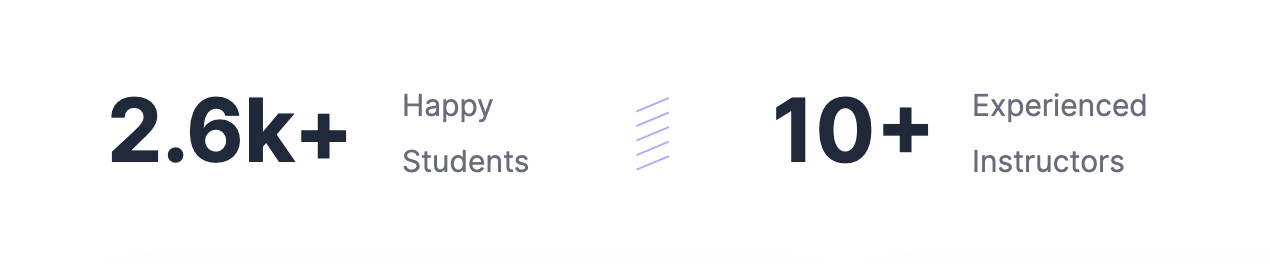
What makes 249 School especially impactful is its focus on creativity and technology. Instead of offering only traditional lessons, it introduces young learners to coding, robotics, electronics, and AI through intuitive, beginner-friendly activities. Children do not need prior experience or advanced equipment. With a basic device and internet connection, they can begin building projects, solving problems, and imagining themselves as innovators.
Making Artificial Intelligence Accessible
One of the platform’s most exciting features is its introductory course on artificial intelligence. While AI may feel intimidating even to adults, 249 School simplifies it through visual exercises and hands-on activities that teach:
How machines “learn”
How to build simple AI-powered models
How to apply AI to small creative projects
By the end, learners receive a certificate of completion — a strong motivator that builds confidence and pride at a time when many children feel left behind.
A Pathway to a Better Future
Education in emergencies often focuses on basic survival skills. While these are essential, the world our children will inherit is driven by technology, innovation, and digital problem-solving.
By introducing AI and programming, 249 School helps children:
Strengthen critical thinking
Stay connected to global opportunities
Build hope for a career in science and technology
Envision themselves contributing to Sudan’s future
For displaced children, the platform also brings continuity. Whether in Port Sudan, Gedaref, Cairo, Kampala, or in Australia or Europe, a child can keep learning and progressing.
How This Aligns with the Malak Foundation’s Vision
At the Malak Foundation, we believe that empowering African talent must begin early. Our mission — from supporting researchers to building innovation ecosystems — is rooted in the idea that opportunity and education can unlock long-term resilience, peace, and prosperity.
We are pleased to see that AI education is slowly being introduced across Africa and embraced by young generations around the world. This momentum strengthens our commitment to ensuring Sudanese children are not left behind.
Malak Foundation’s Own AI Innovation Initiative
In addition to supporting platforms like 249 School, Malak Foundation is actively developing its own major digital education program:
🌟 Peace Through Innovation: Virtual AI & Entrepreneurship Lab
A virtual innovation lab led by the Malak Foundation and Australian AI expert Dr Mohammed Nasir, empowering 200 Sudanese youth to learn AI, entrepreneurship, and peace-tech — turning their ideas into viable digital solutions that strengthen Sudan’s future economy.
This initiative will provide structured training, mentorship, innovation challenges, and team-based project development. The lab aims to equip young people with the skills to transform conflict-affected communities through technology, business creativity, and digital resilience.
It is a natural extension of our belief that Sudan’s long-term stability depends on investing in its young people — their knowledge, their creativity, and their capacity to shape a peaceful and prosperous future.
The Role We Can Play
To maximize the impact of this growing AI-education movement, the Malak Foundation is committed to:
1. Promoting Access
Sharing initiatives like 249 School with our networks so more children — especially displaced or vulnerable ones — can benefit.
2. Supporting Sustainability
Engaging partners, donors, and experts to strengthen digital education across Sudan.
3. Building Pathways
Connecting early learners to advanced opportunities — scholarships, innovation labs, mentorship, and future entrepreneurship support.
4. Championing Innovation and Peace Tech
Through our Virtual AI & Entrepreneurship Lab, we aim to position youth as builders of peace, not just survivors of conflict.

During one of the most challenging periods in Sudan’s history, platforms like 249 School and initiatives like our own Virtual AI & Entrepreneurship Lab shine as proof that hope and innovation can grow even in crisis.
By giving the next generation access to AI, coding, and digital skills, we are not only supporting education — we are rebuilding futures, expanding opportunity, and planting the seeds of a more peaceful, prosperous Sudan.
At the Malak Foundation, we remain deeply committed to empowering Sudanese youth with the tools of tomorrow. Because they deserve more than survival — they deserve the chance to shape their own future and contribute to the future of their country.
