Sudanese Offshore Humanitarian Applications
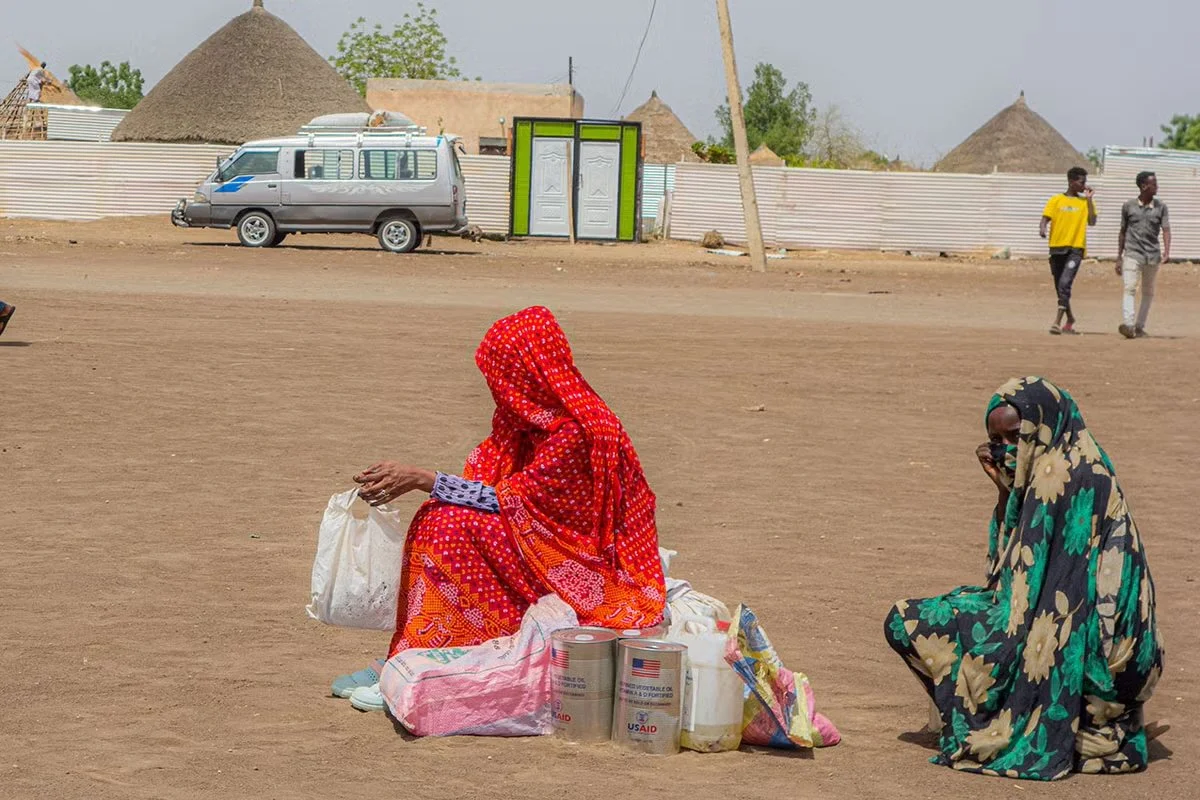
In silent desperation, thousands of Sudanese—many with close family ties to Australia—have watched the gates to safety remain almost closed. While the war in Sudan has raged since April 2023, the human faces of this crisis barely register on our nightly news, and the voices pleading for sanctuary are drowned out by louder, more politicized emergencies.
A surge in Sudanese applications met with stagnant support
In 2022–23, 2,190 Sudanese nationals lodged offshore humanitarian applications—3.3 percent of all lodgements that year—driven by escalating violence and displacement at home . Yet Sudan did not even rank among the top ten nationalities granted visas that year, implying fewer than 0.8 percent of grants went to Sudanese applicants.
By 2023–24, Sudanese lodgements nearly doubled to 4,079 (4.8 percent of the total) as families scrambled to reunite and those at grave risk sought protection . Despite this surge, only 129 visas were granted—a mere 0.8 percent of all offshore grants—leaving over 95 percent of Sudanese applicants still waiting for an outcome .
Why does this matter?
Family ties left unheeded: Many Sudanese applicants have direct sponsors—Australian citizens or permanent residents—yet the Community Support and Special Humanitarian streams remain stretched thin. Without targeted allocation for Sudanese families, even close relatives are left in legal limbo.
Lives at risk: Beyond family reunion, genuine protection needs abound. Civilians caught between warring militias, religious minorities and women-led households face persecution and gendered violence daily. Yet their appeals rarely translate into visas.
A conflict ignored: The Sudan war is rarely headline news in Australia, and community awareness is low. Unlike crises in Afghanistan or Syria—where resettlement programs were dramatically expanded—Sudan barely features in advocacy campaigns or parliamentary debate.
Voices calling for support go unheard
Media silence: Since April 2023, Sudan has slipped from front‑page to footnote. Without sustained coverage, public sympathy and political will to expand resettlement quotas remain muted.
Policy inertia: Despite a clear year‑on‑year rise in applications, grant allocations have not kept pace. The Humanitarian Program’s fixed cap and prioritization frameworks—tilted towards longstanding crises—systematically sideline emerging emergencies.
Community barriers: Sudanese‑Australian communities are smaller and less organised than other diaspora groups, limiting their capacity to sponsor relatives under the Community Support Program.
Malak Foundation’s call to action
Allocate dedicated Sudanese places within the Special Humanitarian and Community Support streams—at least 500 places over the next two years—to ensure family reunion and urgent protection.
Establish rapid‑response referral pathways with UNHCR and NGOs in neighbouring countries, allowing expedited processing for those at imminent risk.
Amplify Sudan coverage through coordinated media and community campaigns, raising public awareness and generating political momentum.
Strengthen proposers’ support by providing grants and legal assistance to Sudanese‑Australian sponsors, increasing successful proposals under existing programs.
The people of Sudan should not be left to bear their trauma in silence, nor should the relatives they have in Australia be forced to watch helplessly. By recognising the scale of need—evidenced in the dramatic rise of applications—and reforming our Humanitarian Program to respond in real time, Australia can honour both its family‑reunion commitments and its obligations to people fleeing violence. It is time for policymakers, advocates and everyday Australians to lend their voices to those still unheard.

