Humanitarian Realities, International Attention, and the Need for a Path Toward Stability
A Statement from the Malak Foundation
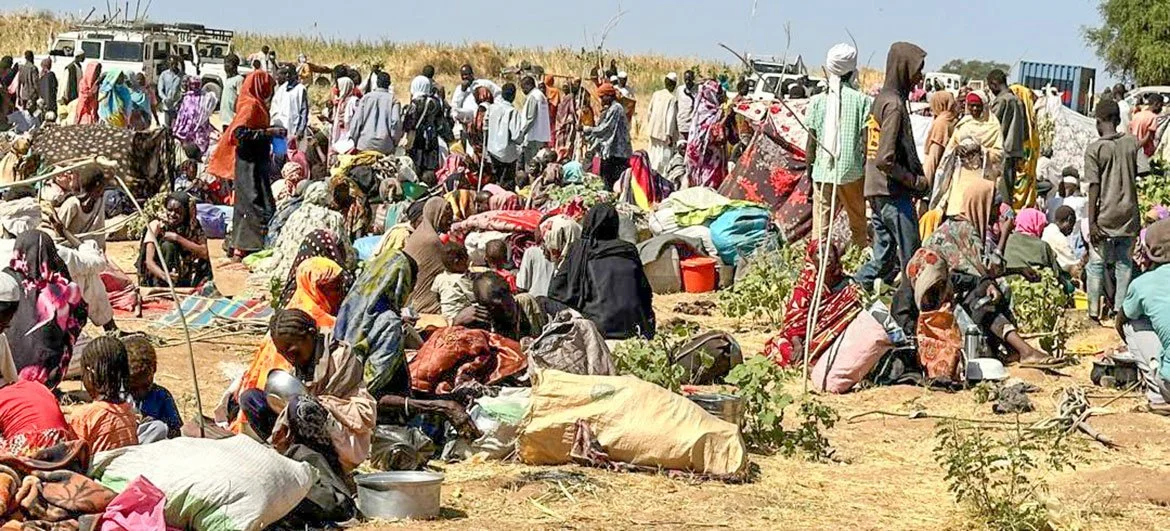
As the conflict in Sudan enters its third year, civilians continue to bear the heaviest burden of violence, displacement, and instability. Nowhere is this more evident than in El Fasher and the wider Darfur region, where communities face escalating threats and widespread destruction. Satellite imagery shared by UN investigators has revealed burned towns, mass graves, and devastation on a scale visible from space — a stark illustration of the crisis.
International concern is growing. The United States Secretary of State, the Australian Minister for Foreign Affairs, and multiple UN bodies have all raised alarm about the humanitarian emergency and the urgent need to protect civilians, secure aid access, and support accountability for violations.
RSF Actions and Their Impact on Sudanese Civilians
The Rapid Support Forces (RSF) have played a central role in driving instability across Sudan. Over the past three years, RSF operations have been linked to:
Widespread civilian killings and targeted attacks
Sexual violence and intimidation
Looting and destruction of homes, markets, and public institutions
Obstruction of humanitarian aid
Forced displacement on a mass scale
In many regions under RSF control, public services have collapsed. Communities report a breakdown of law and order, unpredictable security, parallel taxation systems, and the deterioration of essential infrastructure.
Despite controlling significant territory at various points, the RSF has demonstrated an inability to govern or administer the areas under its control. This has pushed civilians to flee RSF-held zones in overwhelming numbers.
Civilian Sentiment: A Clear Rejection of RSF Rule
Across Sudan, and among the Sudanese diaspora globally, public sentiment is clear: RSF rule is rejected by the majority of civilians.
People consistently move toward areas controlled by the Sudanese Armed Forces (SAF) seeking safety, stability, and functioning administration. This movement is a powerful expression of civilian preference and a reflection of where people believe they will find security.
SAF-Controlled Areas: Stability and Continued Administration
Despite the enormous strain of war, SAF-controlled cities such as Khartoum State, Port Sudan, Atbara, Kassala, and Dongola continue to maintain:
Functioning hospitals and schools
Administrative services
Operational transport and basic infrastructure
Predictable security conditions
Humanitarian access routes
These areas remain the primary destinations for internally displaced families seeking protection. While the entire country faces hardship, SAF-held regions provide the most consistent structure for civilian life and public service delivery.
The Malak Foundation’s Efforts: Advocacy, Engagement, and Support
The Malak Foundation is deeply committed to supporting Sudanese communities through humanitarian outreach, diplomatic engagement, and responsible advocacy.
Chairman’s Visit to Sudan
Our Chairman recently travelled to Sudan to engage directly with communities directly impacted by the war both In Sudan and Egypt. This visit strengthened our understanding of the humanitarian needs and reinforced our commitment to supporting efforts that provide safety, stability, and essential services.
Engagement with Australian Leaders
We continue active dialogue with key Australian officials, including:
Hon. Dr Anne Aly MP
Representatives from the Department of Foreign Affairs and Trade (DFAT)
Members of the Australian Parliament
These engagements focus on strengthening humanitarian access, supporting Sudanese communities, and ensuring Sudan remains part of global diplomatic discussions.
Collaboration with the Sudanese Embassy in Australia
The Malak Foundation works closely with the Sudanese Embassy to coordinate advocacy, support diaspora engagement, and promote constructive dialogue aimed at peace and stability.
Supporting Sudanese Communities in Australia
We work with local community leaders, youth groups, and civil society organisations to unite the Sudanese-Australian community around shared goals — peace, protection, and a better future.
The Road Ahead: A Call for Responsible Action
A lasting solution to Sudan’s crisis must include:
Protection of civilians in all regions
Strengthened and accountable state institutions
Expanded humanitarian access
Clear pathways for accountability in Darfur and beyond
Consistent diplomatic engagement from Australia and the international community
Ensuring that Sudanese civilian voices guide the country’s future
The War Must End!
Sudan stands at a difficult but critical moment. While RSF actions have brought widespread destruction and displacement, areas governed by the Sudanese Armed Forces continue to offer relative safety, public administration, and functioning infrastructure for civilians in desperate need.
The Malak Foundation remains committed to supporting Sudanese communities in Sudan and Australia, advocating for peace, stability, and the restoration of dignity for all Sudanese people.

Our efforts will continue — grounded in humanitarian principles, informed by community voices, and focused on a future where Sudan can rebuild with justice and hope.
